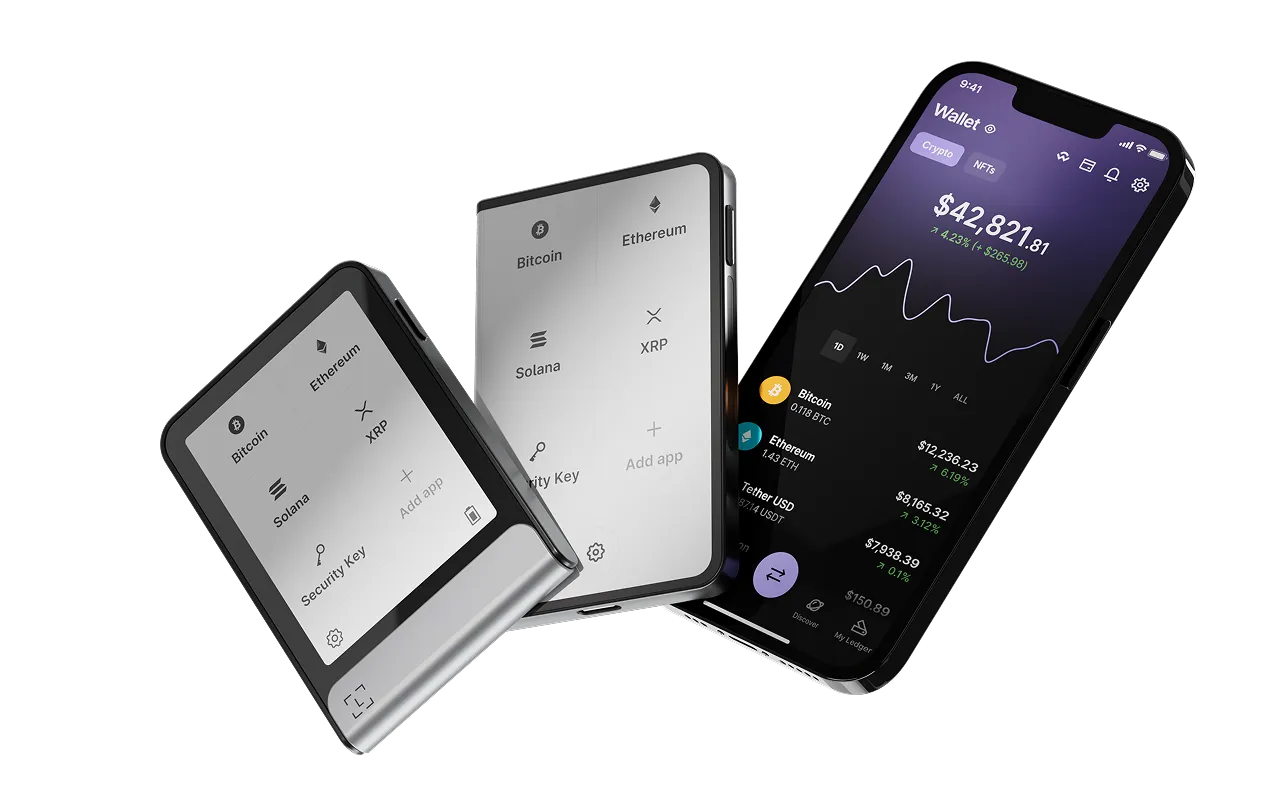
1. Unbox carefully — what to expect
When you first open a Ledger device box, verify packaging integrity: factory-sealed, manufacturer labels intact, and tamper-evident seals present. Ledger devices ship with a USB cable, quick start card, recovery sheets, and the device itself. If anything looks tampered with or missing, contact official support immediately.
2. Install Ledger Live and verify downloads
Ledger Live is the companion app used to manage accounts, check balances, and send/receive crypto. Download Ledger Live only from Ledger’s official site and confirm the download checksums when available. Opening Ledger Live will guide you through setting up your device and installing the specific apps you need (for Bitcoin, Ethereum, Solana, etc.).
3. Create your device PIN and recovery phrase
The most critical step is generating and protecting your recovery phrase (sometimes called seed phrase or mnemonic). During initialization, the device will generate a 24-word recovery phrase — write these words down on the supplied recovery sheets. Never store the recovery phrase digitally (no screenshots, cloud notes, or email). Your PIN protects access to the physical device; choose a secure PIN you can remember but that is not easily guessed.
4. Best practices for storing your recovery phrase
- Write your 24 words in order and store the sheet in a secure, private place (ideally in a fireproof safe).
- Consider making two physical copies stored in separate secure locations to mitigate single-location risks.
- Use metal backup tools for long-term protection if you expect to hold assets for years—these resist fire, water, and decay better than paper.
- Never share your recovery phrase with anyone. Ledger or official support will never ask for your full recovery phrase.
5. Installing apps and adding accounts
Ledger devices use small apps per blockchain (for example, a Bitcoin app, an Ethereum app). Install only the apps for the assets you use. After installation, add accounts in Ledger Live — each account corresponds to an on-chain address that you control via your device. Use the receive flow in Ledger Live to obtain deposit addresses and confirm them on the device screen before sending funds.
6. Everyday use: sending, receiving, and staking
For daily operations, use Ledger Live to compose transactions, then confirm them physically on your Ledger device. The device screen ensures the address, amount, and fees are visible and signed inside the device — protecting you from malware or a compromised computer altering transaction details. Ledger Live also supports staking and swapping features for supported assets; read the Ledger Live guides and confirm actions on your device when prompted.
7. Common mistakes and how to avoid them
Users sometimes fall victim to phishing pages, fake support, or counterfeit devices. Always: (1) verify URLs and bookmarks, (2) confirm you’re on official ledger.com pages, (3) never give your recovery phrase to anyone, and (4) treat unsolicited messages claiming to be support with extreme suspicion. Keep firmware and Ledger Live updated from official sources.
8. Firmware updates and maintenance
Ledger periodically releases firmware updates to improve compatibility and security. Update when ledger.com or Ledger Live prompts you; firmware updates require you to confirm the process on the physical device. Keep your computer and mobile OS patched and use reputable antivirus practices, but remember the hardware wallet’s isolation is the main security feature.
9. Planning for long-term custody and inheritance
If you plan to hold significant value, consider a documented inheritance plan that securely conveys access (without revealing the recovery phrase in plain text). Legal professionals experienced with crypto can help set up trust structures or multi-party backup plans. Maintain redundancy while minimizing exposure risk.
10. Final checklist
- Device arrived sealed and untampered.
- Ledger Live downloaded from official source only.
- PIN set and memorized; recovery phrase written physically and stored safely.
- Installed only required apps; verified addresses on device screen before sending funds.
- Firmware and Ledger Live updates kept current.
Getting started with a hardware wallet like Ledger is the single most effective step you can take to secure your cryptocurrency holdings. With careful setup, disciplined backup practices, and a habit of verifying transactions on the device itself, you greatly reduce the risk of losing access to your funds or falling victim to theft.